Flat Tire Repair in Katy, TX
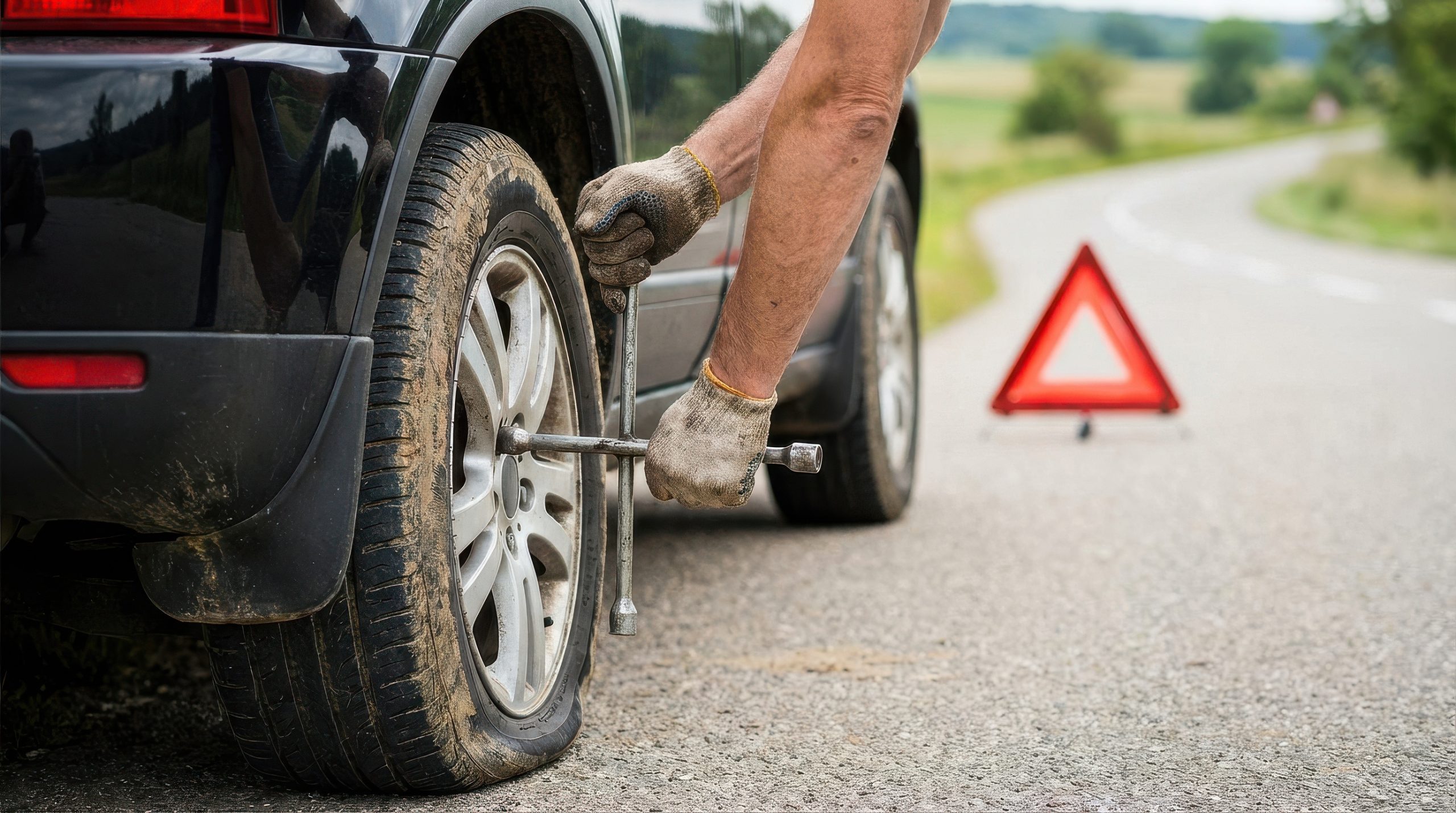
Northwest Express Auto Care fixes flats, slow leaks, and punctures, preventing air loss and costly tire replacement.
What’s Included
When To Get This Service
Repair a tire when you detect air loss or see a puncture—quick action prevents blowouts and costly replacement.
Take your vehicle in right away if:
- TPMS light or low-pressure warning stays on after inflation
- Nail, screw, or cut visible in the tread
- Tire loses more than 2–3 psi in a week
- Sudden pulling, thumping, or vibration while driving
- Recent impact with road debris, curb, or deep pothole
Your Service Questions, Answered.
We’ve put together the most important transmission information to help you drive with confidence. Need more help? Just give us a shout!
How long should my tires last?
How often should tire pressure be checked?
When should a tire be replaced instead of repaired?
A puncture, crack, or split on the sidewall or shoulder of the tire, no matter what size it is.
If the puncture is long and straight, irregular, or has a diameter greater than 1/4”. (Long cuts often cause damage to the belts of the tire as well.)
A crack or split located on the edge of the tire that sits on the wheel.
Multiple punctures that are less than 16″ apart.
If the tire tread is separating (this usually occurs where the tread meets the sidewall).
In any of the above cases, replacing the tire will ensure your continued safety on the road. When you need new tires and are looking for a tire store you can trust, we’ve got you covered! Our manufacturer-trained tire experts can help you find a high-quality tire that is a perfect fit for your vehicle, driving conditions, and budget. Northwest Express Auto Care is proud to carry tires from major tire manufacturers.
Do you plug tires to repair them?
What can I do to make my tires last longer?
Regularly check your tires for damage (e.g., embedded objects, cuts, uneven tread wear, or cracking).
Maintain the recommended air pressure levels in your tires.
Proper tire inflation helps reduce excess wear and tear.
Keep up with regular tire maintenance to keep your tires properly balanced, rotated, and aligned.
Avoid driving around corners at high speeds (this wears down the outer edge of your tires much faster).
Give yourself enough time to come to a slow and controlled stop versus quickly braking and wearing down the tread. – Avoid aggressive acceleration that would cause the tires to squeal.
Try to avoid driving over any potholes or broken pavement.
Stay below the maximum load capacity for your tires when hauling or towing. Remember, once a tire has reached a tread depth that is at or less than 2/32″, it should be replaced.
Recommended Services
Explore our trusted services designed to keep your vehicle performing at its best.
Visit Us Today
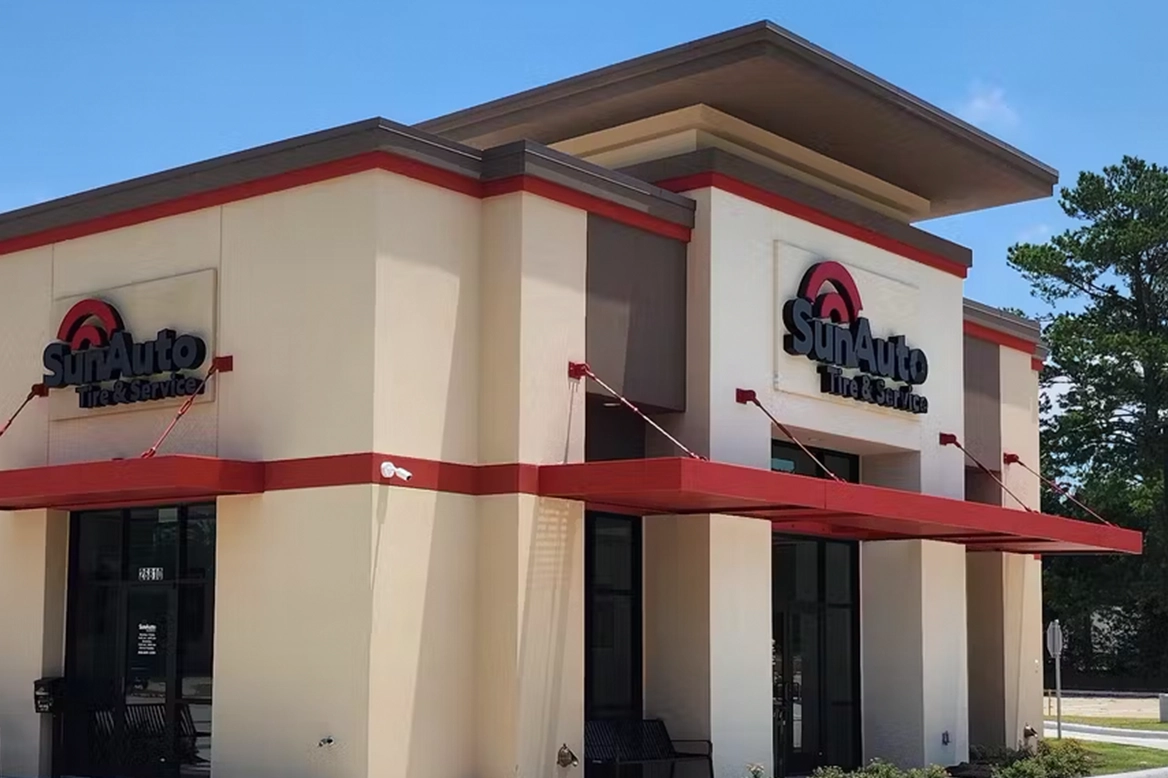
From oil changes and brake repairs, to tire service and engine diagnostics, Northwest Express Auto Care is here to Keep You in the Driver’s Seat.
Find a shop


